
.svg)


.svg)

.svg)

.svg)



As technology advances, so do consumer expectations. Let’s take a look at the ecommerce and subscription trends shaping 2026 and beyond,
- Omnichannel commerce will continue expanding
- AI will increasingly optimize conversions
- Hyper-personalization will become the expectation
- Community-driven memberships will strengthen retention
Before exploring these trends, it’s helpful to look at the consumer behaviors that shaped subscription ecommerce over the past year, as reported in our quarterly research with PYMNTS.
Q1 Findings: Customer Experience Beats Cost Savings
Despite growing inflation and other economic concerns, shoppers were more likely to subscribe for convenience and enjoyment than for cost savings. According to our Subscription Commerce Readiness Report, a combined 59% of subscribers listed convenience or enjoyment as their top priority.
But while cost may not have been at the very top of consumers’ lists, they expected to get their money’s worth in the form of essential features, such as:Flexibility and Convenience
When asked to name their top three reasons they would discontinue a subscription, many consumers listed the inability to pause or skip (27%) and change subscription frequency (23%) as reasons to unsubscribe. Flexible subscription controls can give brands an edge over more rigid offerings.
Trust and Transparency
Data privacy continues to grow alongside consumer skepticism, and businesses must demonstrate that customer payment information is secure and handled responsibly. A top reason subscribers said they may cancel their subscription is if it’s renewed without their approval (31%).
Loyalty Rewards and Discounts
Loyalty rewards were once optional for companies, but our data showed that consumers increasingly expect these benefits. The most common reason cited by subscribers for canceling a subscription, with 40% of votes, was the discontinuation of free shipping. Terminated loyalty offerings weren’t far behind, with 27% of consumers backing their importance.
Q2 Findings: Loyal Subscribers Value Community and Connection
Uncertain economic conditions have given companies even more incentive to win loyal customers. Our Subscription Commerce Readiness Report broke down ecommerce subscribers into three personas: loyalists, persuadables, and short-timers.
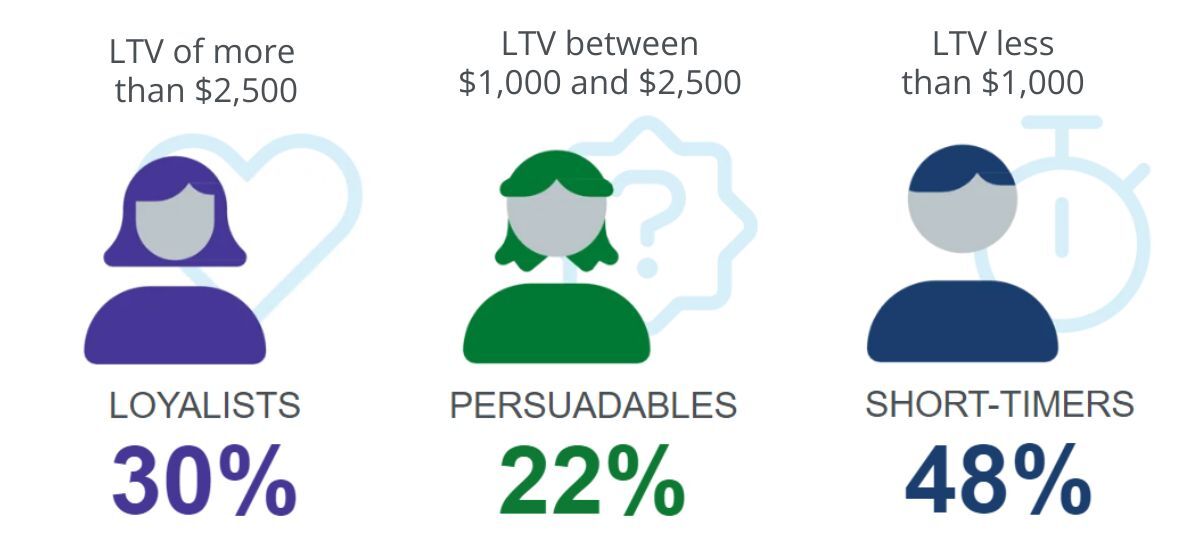
Loyalists, who make up only 30% of subscribers but account for nearly 80% of all revenue, prioritize meaningful brand relationships over transactional interactions. Here’s how you can win them over:
- Offer a relatable brand mission to build community
- Create a loyalty program to reward frequent shoppers
- Offer excellent customer service and flexibility features
- Streamline the payment process to avoid payment failure
Q3 Findings: Subscriptions Inspire Brand Loyalty
Brands continued to invest in subscriptions in September. While the average industry sees a combined annual growth rate (CAGR) of 10%, subscription commerce has grown more than 60% over the past several years.
Our September report, The Impact of Subscription Models on Consumer Choice, dove into the six main retail subscription models and found that many shoppers hold two or more different types of subscriptions.
Consumers who hold several subscription types, called multi-model subscribers, have an average lifetime value of more than $2,500 — more than any other persona. Here’s how to attract them:
- Emphasize enjoyment: 32% of multi-model subscribers value enjoyment over other acquisition features.
- Offer loyalty benefits: Multi-model subscribers place the most value on loyalty rewards than any other persona.
- Market to younger consumers: 45% of millennials and 42% of Gen Z consumers prefer the multi-model approach.
Q4 Findings: In-Store Shopping Stays on Top
The rise of retail subscriptions is gradually reducing reliance on in-store shopping, according to our latest report, The Replenish Economy: A Household Supply Deep Dive.
While in-person shopping is still the top choice for consumers, many now opt for retail subscriptions to avoid hitting the store. More than 11% of shoppers prefer scheduled deliveries and almost 4% of consumers have entirely stopped shopping in person for replenishable products, citing subscriptions as the reason.
As subscription commerce grows, the infrastructure behind billing, checkout, and payments plays a larger role in conversion and retention performance.
Subscriptions are reshaping consumer behavior
Download our free ebook to see how the replenish economy is changing the face of retail.

2026 Ecommerce Trend Predictions
Considering the trends and statistics discovered from our previous research, we predict these topics will gain even more traction in 2026.
Omnichannel Commerce Will Keep Growing
Omnichannel commerce, a retail strategy that integrates a brand’s sales and communication channels into a unified shopping experience, will continue to grow in 2026. This approach seeks to reduce friction throughout the buying experience, creating a more streamlined customer experience.
Omnichannel combines data from each selling channel — from social platforms, to email marketing, storefront browsing and even in-person purchases — and makes that data available across the business.
“Omnichannel used to mean, ‘I want to be able to sell directly to consumers, both online and offline,'” says Sharon Gee, vice president of revenue growth and general manager of omnichannel at BigCommerce. “That is still the case, but now there are many different flavors of online experiences that need to be integrated.”
Artificial Intelligence Will Assist Conversions
AI will increasingly optimize key moments across the customer journey, including:
- Chatbots for customer support
- Personalized product recommendations
- Predictive analytics
- Payment optimization
- Fraud detection
- Visual search and image recognition
- Dynamic content generation
More specifically, ecommerce businesses will use payment optimization tools to increase conversions and improve transaction approval rates.
Payment optimization software can automatically retry failed payments at optimal times, helping businesses recover revenue that would otherwise be lost. Tools like this are a worthwhile investment to streamline the most important part of your customer journey: the purchase!
Hyper-Personalization Will Become the Standard
As we mentioned above, AI will play a large role in the personalization process. AI algorithms can analyze user behavior, preferences, and purchase history to provide personalized product recommendations to enhance the shopping experience and increase conversion rates.
AI does this by using filters to increase the success of accurate personalization. Collaborative filtering, for example, uses AI to recommend products based on what similar users have liked or purchased. Content-based filtering recommends products based on items the user has viewed or purchased in the past.
Omnichannel marketing comes into play here to collect data from multiple touchpoints — online browsing, social media views, etc. — and send offers through channels like email, browser pop-ups, and SMS.
More Community-Focused Memberships
We already know loyal customers want to feel like part of a community, and memberships can do just that: connect like-minded individuals who love the same products. Membership programs give customers a sense of community and help merchants increase retention and gather long-term insights that improve product and marketing strategies.
Some popular aspects of a membership program include offering early access to new products and exclusive discounts to reward members for their loyalty. It’s a great way to have direct communication with your customer base and create brand advocates who will spread the word about your brand and products.
Planning your 2026 ecommerce strategy
The coming year will be pivotal for ecommerce brands as they strive to meet consumers’ expectations around seamless omnichannel experiences and personalized, human-like interactions. The brands that invest in retention, flexible subscriptions, and optimized checkout experiences will be best positioned for sustainable growth.